What's new in Quo: Meet Quo Agent, one view for every task, and more
|
|




John Miller
Director of Business Operations, Bridgewest Holdings
There's a particular kind of dread in realizing, a little too late, that you dropped the ball.
A former tenant texted asking where her security deposit was, two weeks after she'd moved out. Her message got lost in the hundreds we receive every day, and I hadn't started the refund process. I should’ve, days earlier. It was an “oh, crap” moment. We still had time to get her the check before the legal deadline, but only because she reached out. If she hadn't, we might’ve missed it.
For our 70-property portfolio, I’m the main Quo user interacting with potential and existing tenants. I used to have to scroll back through a conversation to remember exactly what I'd already told someone before replying. I never wanted to mix up one tenant's story with another.
Also, I was sending versions of the same message to a dozen different people, copying and tailoring each one myself. More often than not, I'd draft it in Gemini or ChatGPT first to see if there was a cleaner way to say it. Then I’d paste the result into Quo to send the message. Bouncing between tabs all day didn't just cost time. It cost me mental energy, and the frustration piled up.
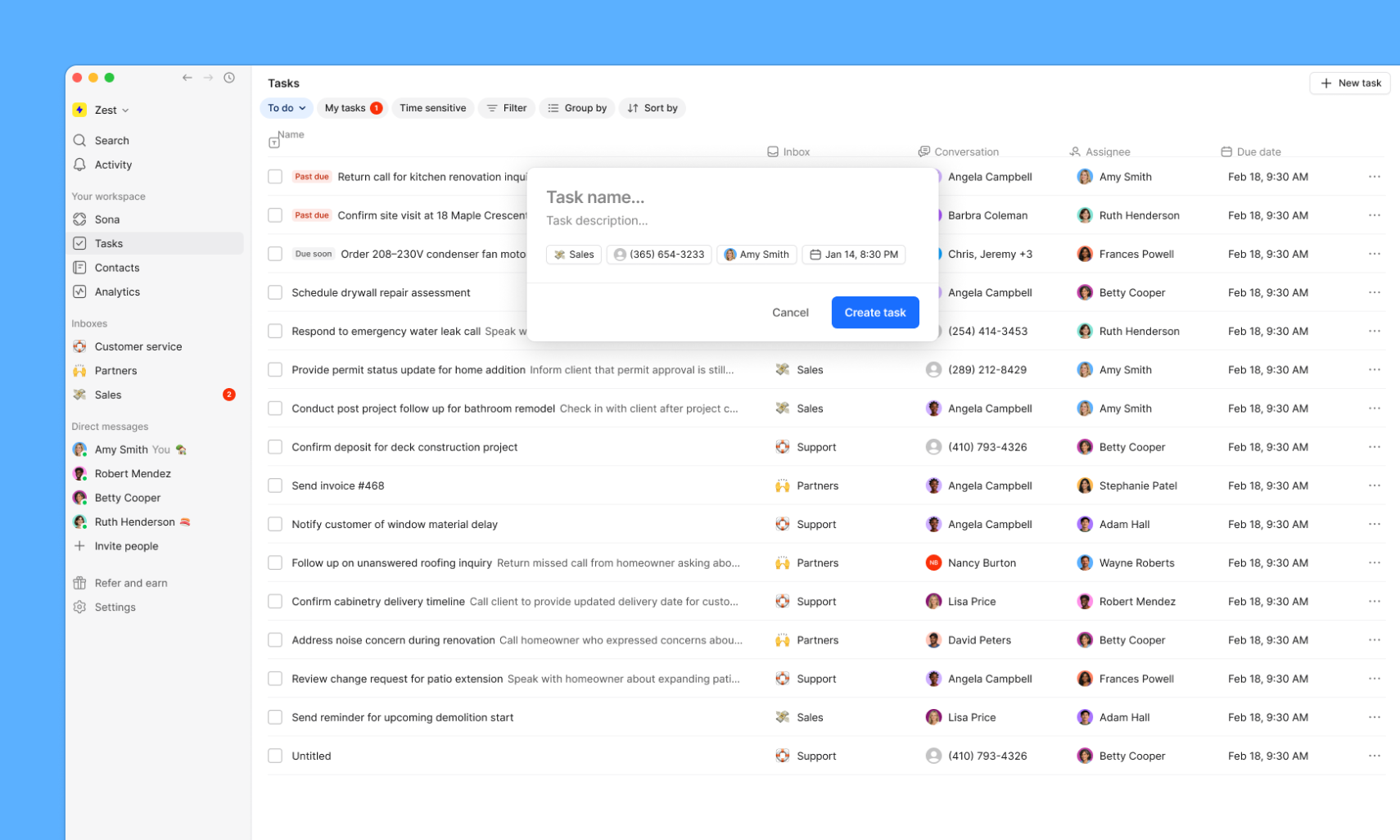
Now Quo Agent handles the repeated nudges a tenant needs before they'll sign a renewal. Chasing a signature doesn't eat into time I'd rather spend on higher-dollar work. I can also track deadlines better, too. If I notice someone hasn't paid rent by the first of the month, I tell Quo Agent to set up a task that reminds me on the 10th to check whether that's been taken care of. I do the same with payment plans. If a tenant owes $500 by the 15th, the agent already has it set up so I don’t have to remember.
I didn't do anything complicated to get the agent to sound like me. My only real instruction was: don't make this sound like an AI. No dashes. Keep it as human as possible.
How much I trust the agent depends on what's at stake. If a tenant texts asking whether we have a three-bed, two-bath available, I let Quo Agent answer and send it without a second look. I’m less concerned about the wording on that one. But if someone's asking about a payment plan because they're behind on rent and dealing with a real hardship, I read that message twice before it goes out.
I couldn't tell you exactly how many hours or dollars this has saved me. What I can tell you is where my time goes now. I’m out meeting people, walking properties, looking for the next deal, instead of sitting at a screen answering the same kinds of messages over and over.
That tenant's text — “I’ve been out for two weeks, where's my deposit?” — wouldn't catch me off guard today. Before a deposit deadline gets anywhere close, I ask Quo Agent directly who we still owe money to. I get the list before anyone has to ask me for it.
I get it if you're skeptical of an AI agent handling your customer conversations. But you don't know until you try it. Don't shut it down without giving it a shot.
1. Identify low-dollar activities. List the replies that take up your time but don't need much judgment, like questions of availability or routine confirmations. Let Quo Agent draft those first. I use the time it frees up for business development, like meeting new prospects, instead of being tied to an inbox.
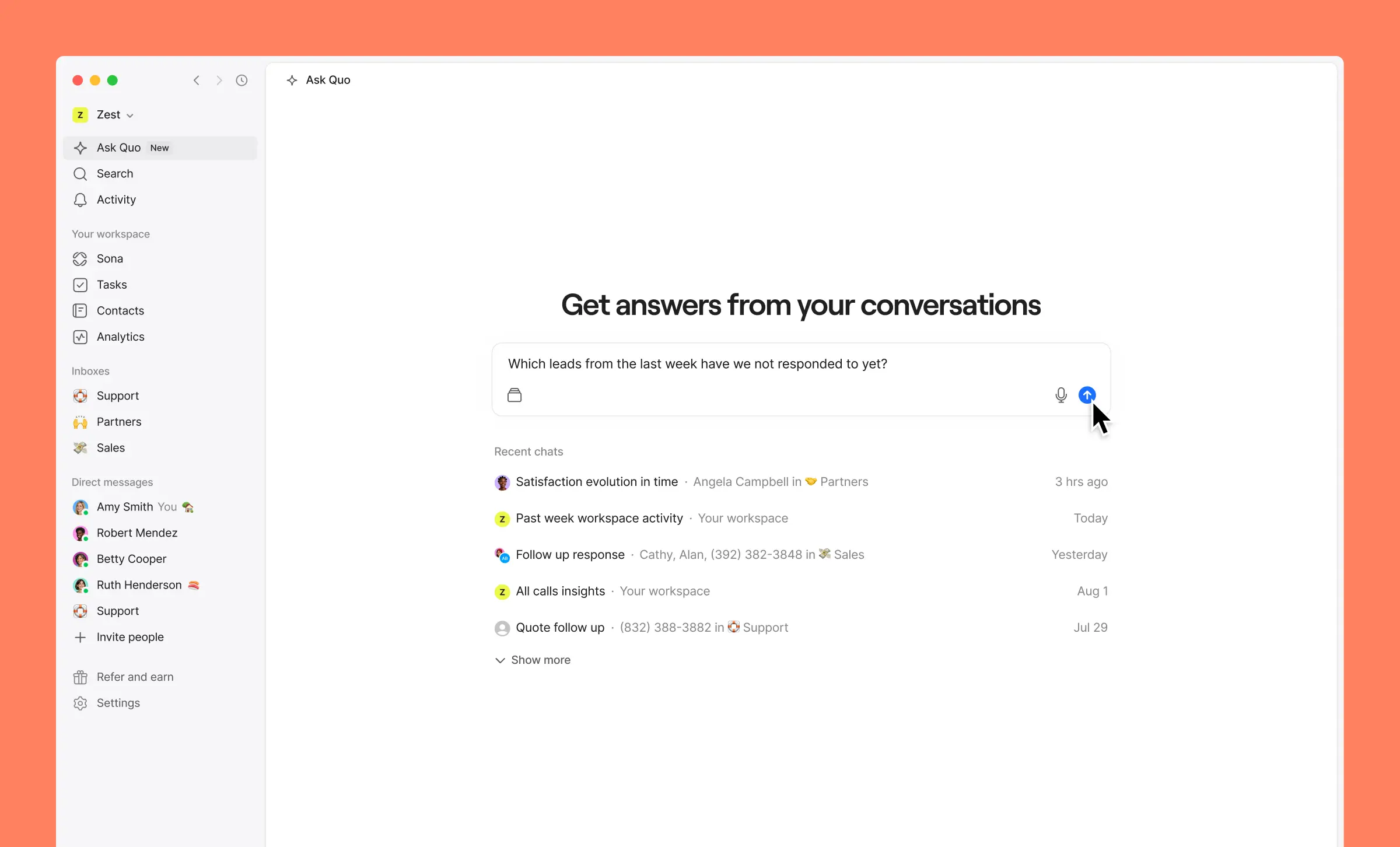
2. Search the inbox instead of scrolling it. Ask Quo Agent a direct question across a shared inbox, like “who’s still owed a security deposit refund?” instead of hunting them down yourself.
3. Set the reminder when you spot a deadline, not after. Turn recurring follow-ups, like rent due dates and payment plan installments, into tasks in Quo as soon as you notice them.
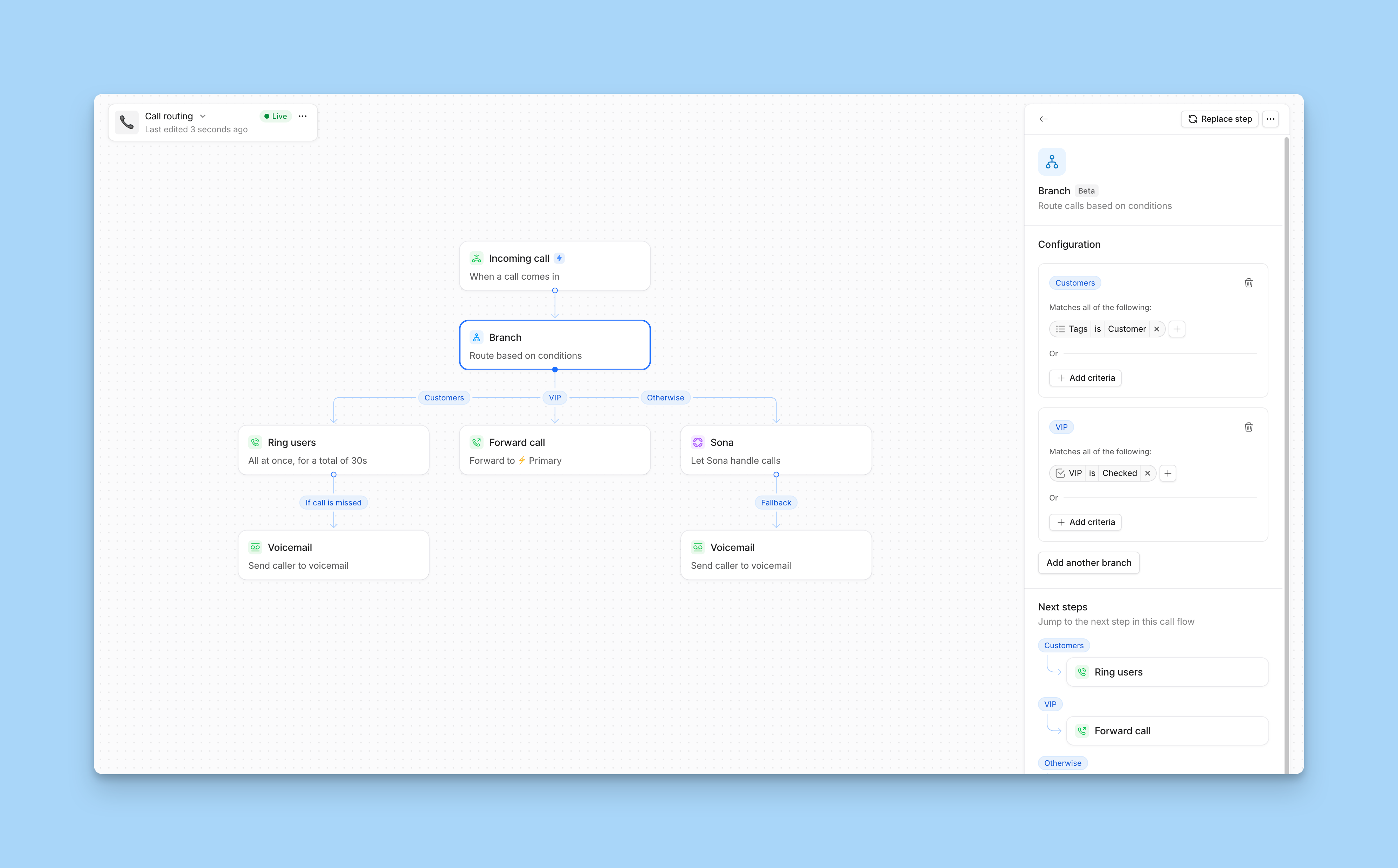
Before I take vacation, I reassign my calls in Quo so they route to my teammate covering for me. Customers rarely notice.
It works the same way for handoffs. Before Quo, filling in for a colleague meant a long phone call and a full brain dump, going contract by contract, tenant by tenant, trying to remember everything that mattered. Now it's a note in Quo and a few clarifying questions.
It's the same setup for my boss, on a bigger scale. He runs two businesses, logistics and property management, from one screen. Quo Agent scans every inbox across both so he isn't digging through either one himself if he wants to see what’s happening. He isn't juggling different platforms; it's all in Quo.
_01KCHSK3REEYGGXZDYD0MV3VWW.png)
Quo
2261 Market St PMB 4157
San Francisco, CA 94114-1612


This email was sent to trongrau1368.taphone@blogger.com. Update your email preferences